
Norway
A Winter Adventure in Karasjok: Embracing Sami Culture with Our Children
The Arctic air was crisp, the landscape a vast expanse of white, and the only sounds were the gentle swish of our reindeer sledge and the distant call of the wind. Our journey to Karasjok, deep in Norway’s Arctic Circle, was not just a family holiday—it was a once-in-a-lifetime experience immersing ourselves in the ancient ways of the Sami people.
Arrival in the Sami Heartland
In February, Karasjok is a true winter wonderland—miles of untouched snow, frozen lakes stretching into the horizon, and the occasional flicker of the Northern Lights dancing above us. As we stepped off the plane in Lakselv and drove through the Arctic tundra, our two young children were mesmerized by the endless white wilderness. The remoteness felt surreal; it was as if we had stepped into another world.
Karasjok is the cultural capital of the Sami people, the indigenous reindeer herders of the north. We had come to experience their way of life firsthand—living on a frozen lake in a lavvu (a traditional Sami tent), traveling by reindeer sledge, ice fishing, and learning the rhythms of reindeer herding.
Into the Arctic Wilderness: Reindeer Sledding Through the Snow
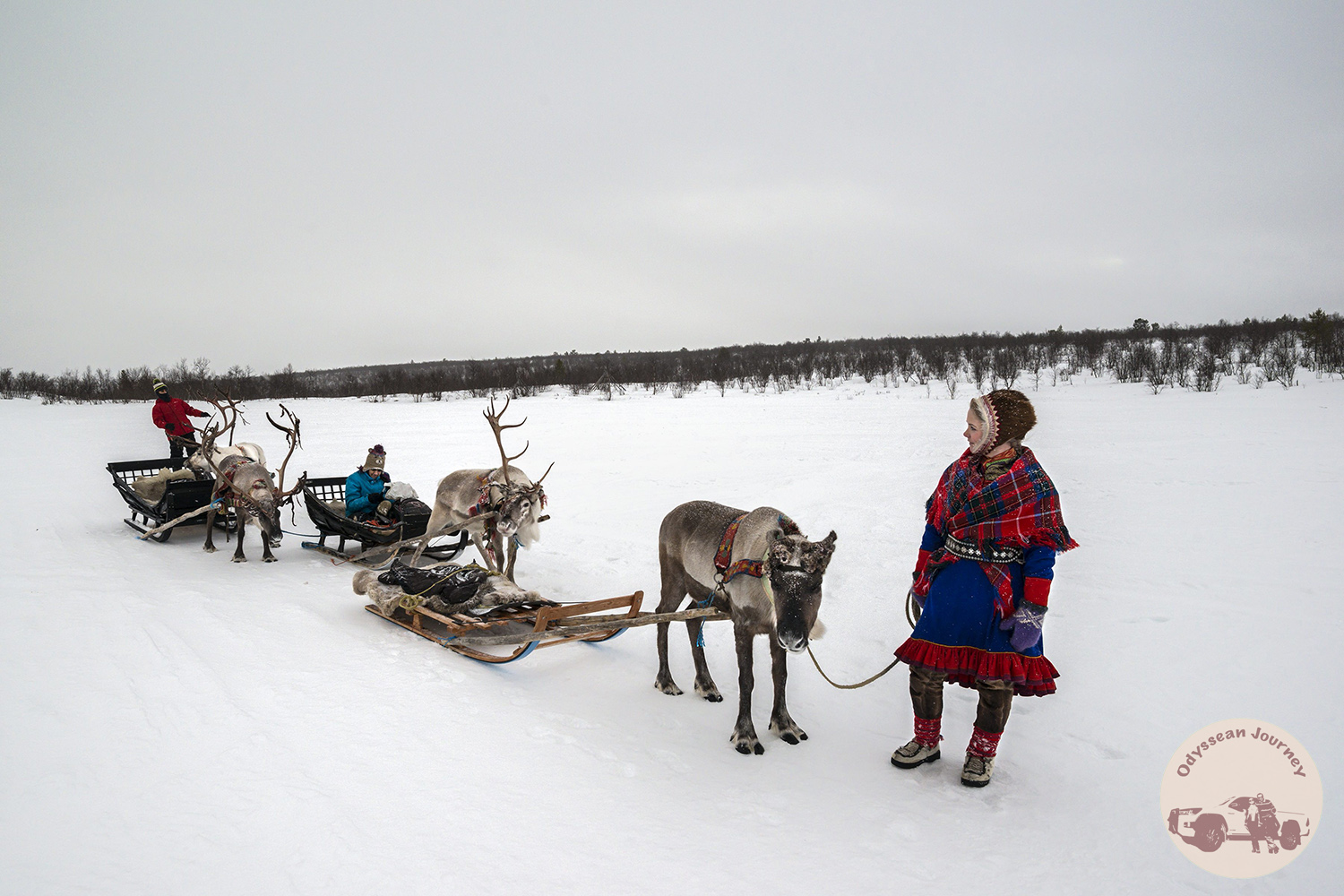
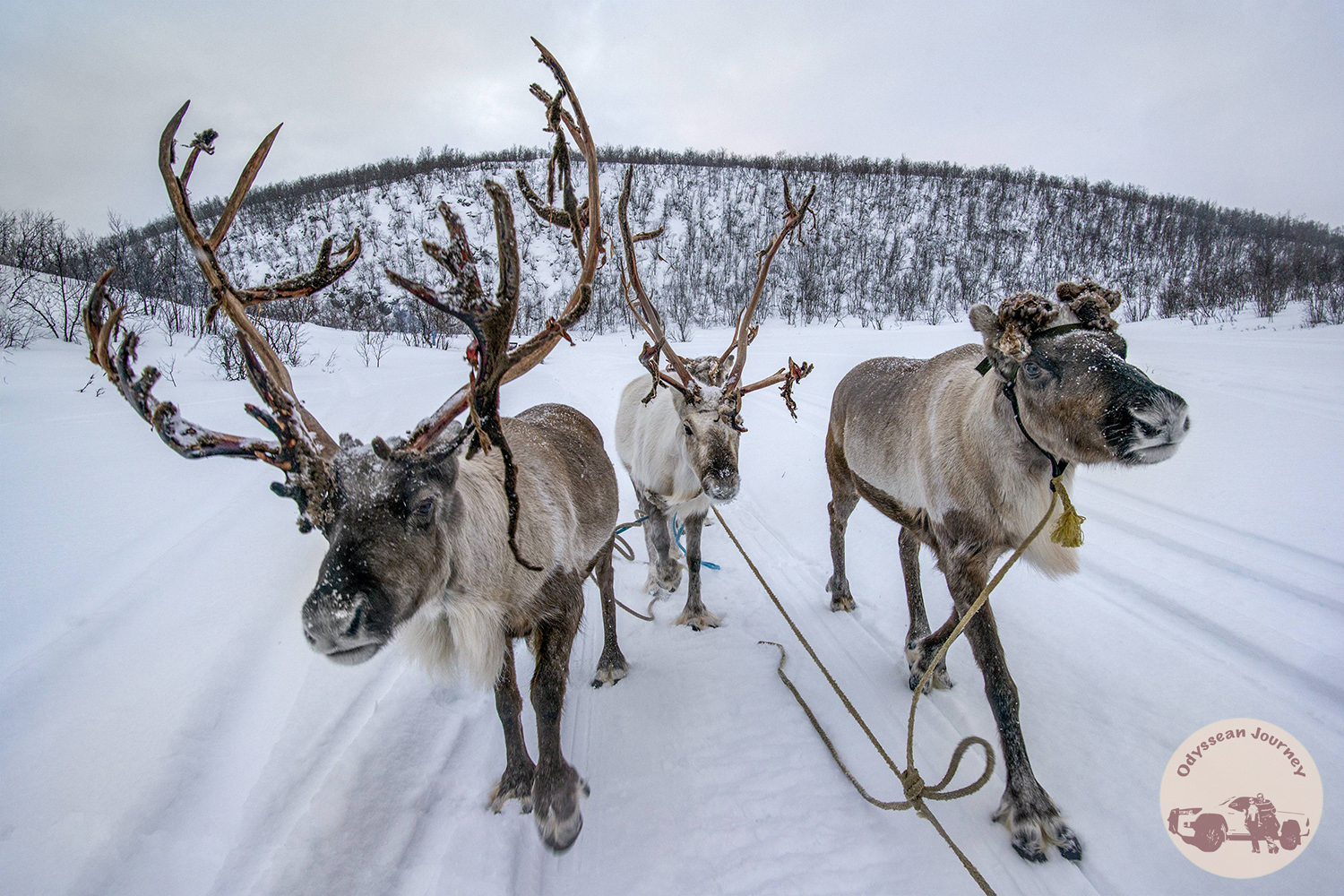
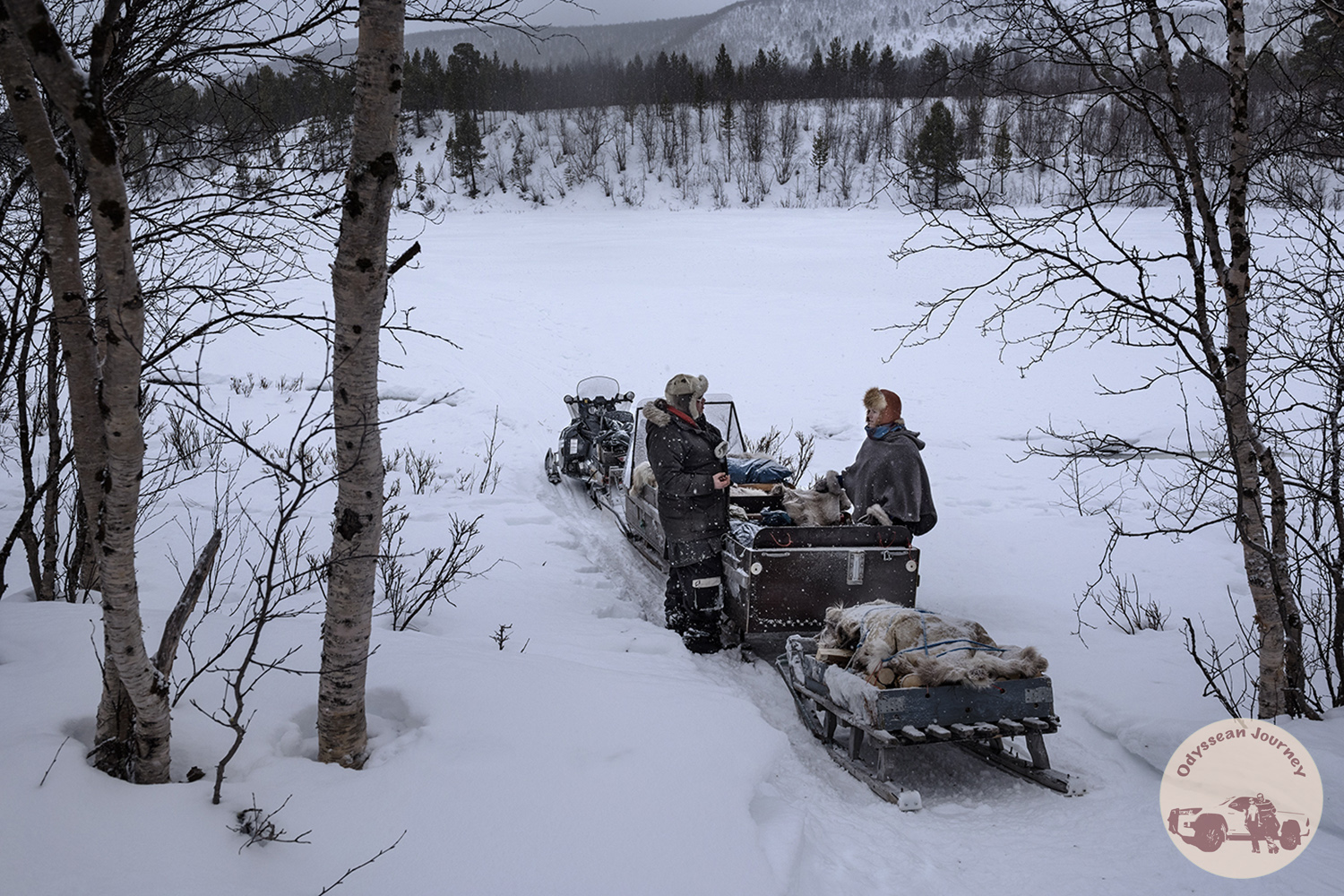
Bundled in layers of wool and fur-lined snowsuits, we climbed onto a traditional reindeer sledge. Our Sami guide, dressed in a colorful gákti (traditional Sami clothing), led the way as the reindeer trotted gracefully through the snow-covered forests.
The children squealed with delight as we glided across the silent, frozen landscape, the only sound the soft crunch of snow beneath the runners. It felt like something out of a fairytale—miles and miles of snow-covered wilderness, untouched and pristine. We stopped along the way for a Sami storytelling session, where our guide spoke of ancient myths, the deep connection between the Sami and their reindeer, and the secrets of surviving in this harsh yet beautiful environment.
Living on a Frozen Lake in a Lavvu
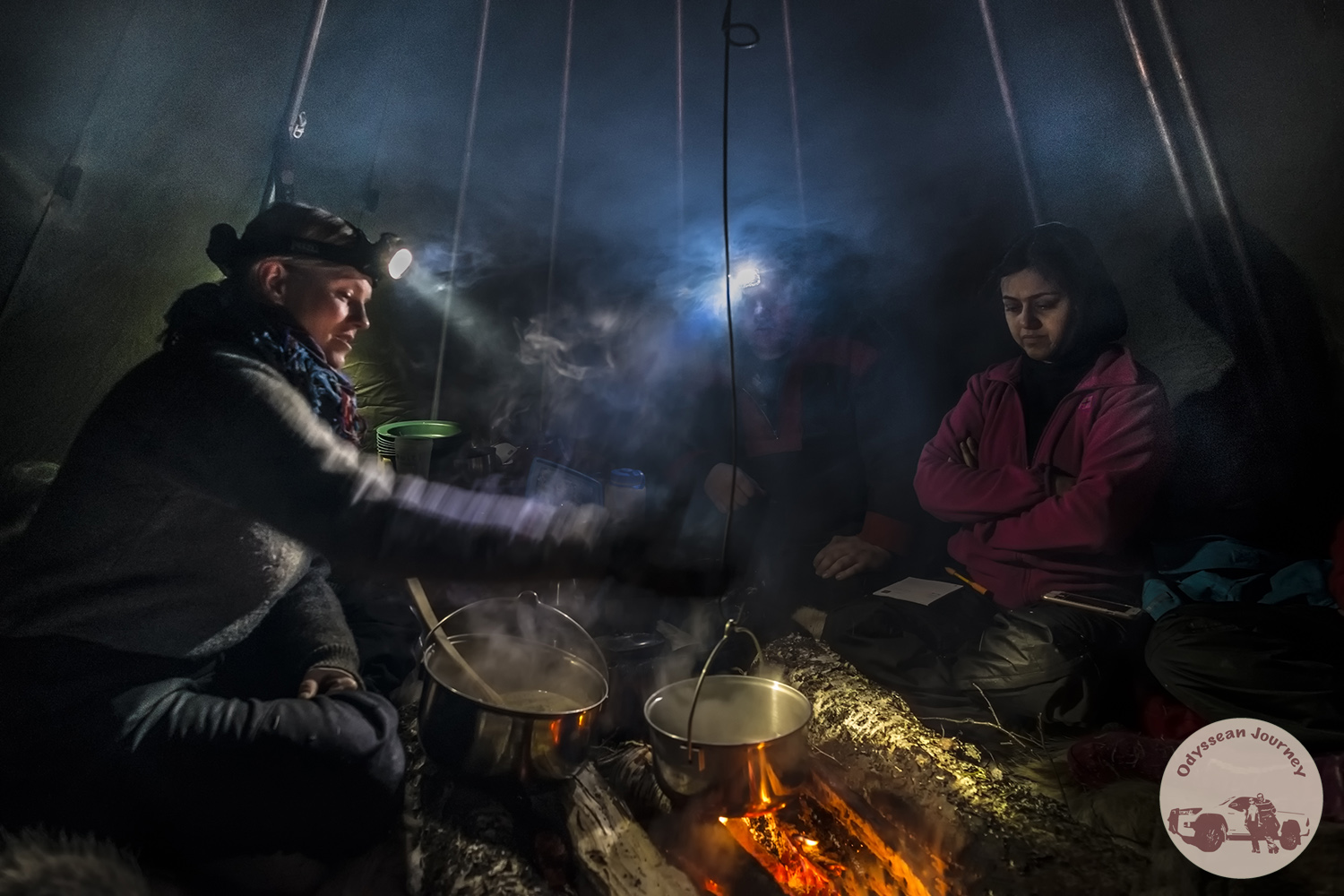
That night, we stayed in a lavvu, a conical Sami tent, set up on a frozen lake under the northern sky. Inside, a fire flickered, casting warm shadows on the wooden poles. The temperature outside had plunged to -25°C, but inside, wrapped in thick reindeer hides, we were surprisingly warm.
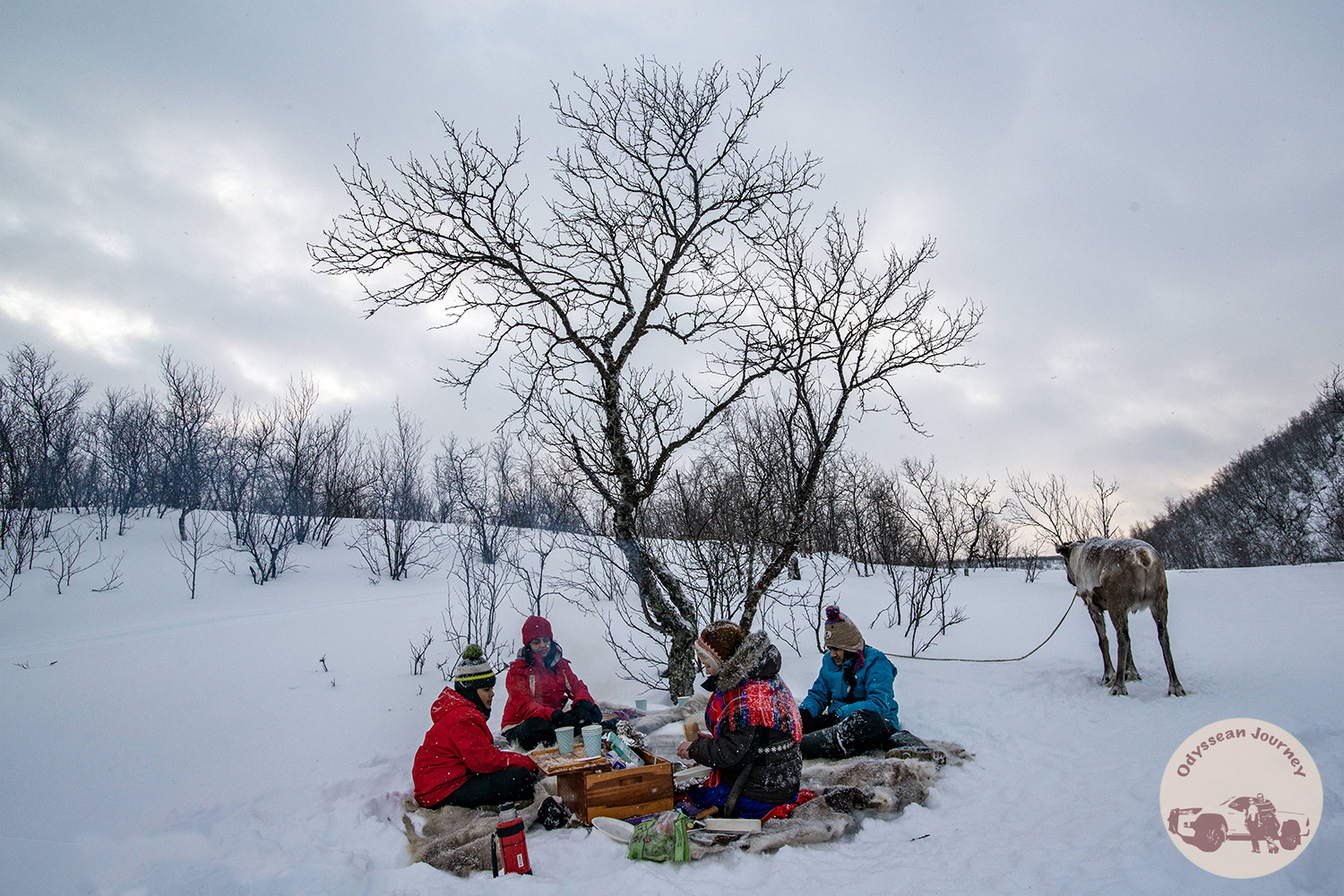
Dinner was an adventure in itself—reindeer meat cooked over an open fire, served with simple but delicious cloudberry jam and flatbread. The smoky, rich flavors were unlike anything we had ever tasted. The children, initially hesitant, quickly grew to love the hearty, warming meals.
Outside, the sky exploded in waves of green and purple light—the Aurora Borealis in all its glory. We stood in awe, watching nature’s most spectacular display, feeling incredibly small yet deeply connected to this vast, wild land.
Ice Fishing: Patience and Reward
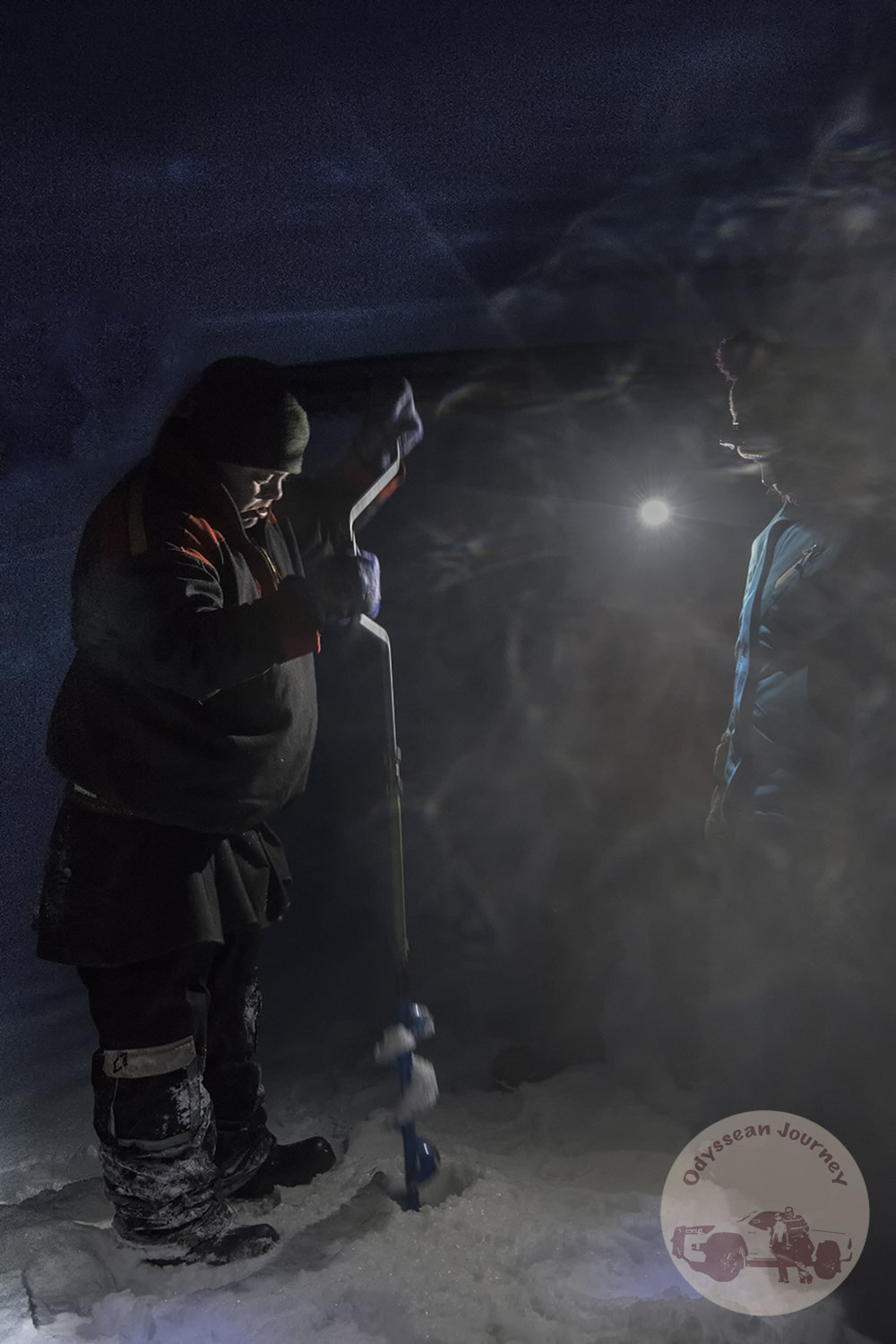
The next morning, after a breakfast of Sami bread and dried fish, we ventured out onto the frozen lake for ice fishing. With a hand drill, we bore a hole through the thick ice, then dropped our lines into the icy depths. It was a test of patience, but the thrill of pulling up an Arctic char made it all worthwhile.
A Day in the Life of a Reindeer Herder
One of the most memorable parts of our journey was spending a day with a Sami reindeer herder, learning what it takes to survive in the Arctic wilderness. We helped feed the herd, watched as the herders skillfully lassoed reindeer, and listened to stories of the nomadic lifestyle that has existed for thousands of years.
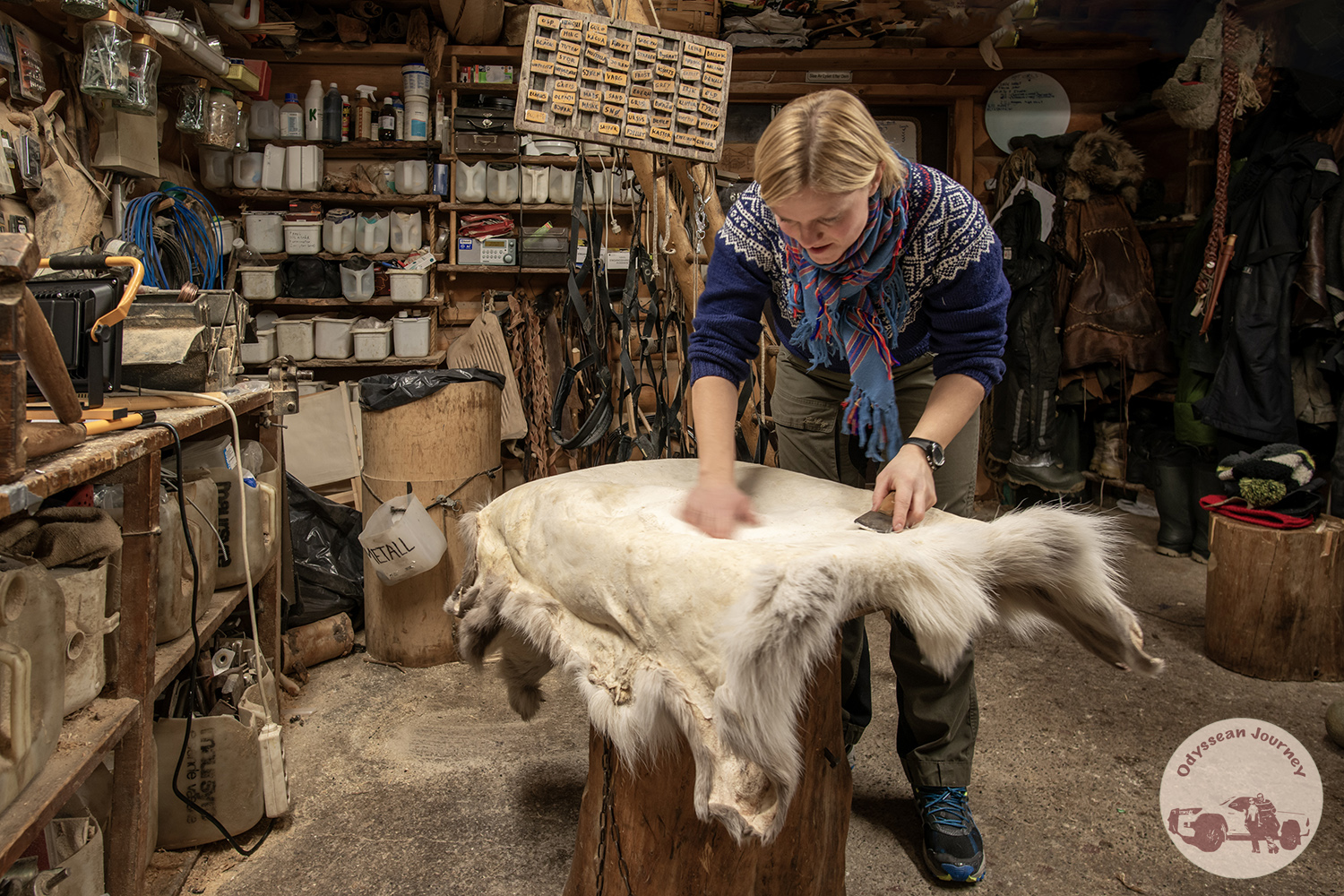
Our children were fascinated, especially when they were allowed to pet a young reindeer calf. The Sami way of life is deeply connected to nature, and it was inspiring to witness how every part of the reindeer is used, from the fur for warmth to the meat for sustenance.
An Experience of a Lifetime
As we left Karasjok, our hearts were full. We had experienced something few people ever do—not just visiting, but truly living the Sami way of life. Our children had learned resilience, patience, and respect for nature.
Karasjok in February is not for the faint-hearted—the cold is brutal, the isolation intense—but it is also breathtakingly beautiful and deeply rewarding. For those seeking an adventure unlike any other, one that immerses you in culture, nature, and tradition, this is a journey that will stay with you forever.
Would we do it again? Without a doubt.
Mongolia
Engineering Manager
China
Architect
India
Project Manager
 odysseanjourney@gmail.com